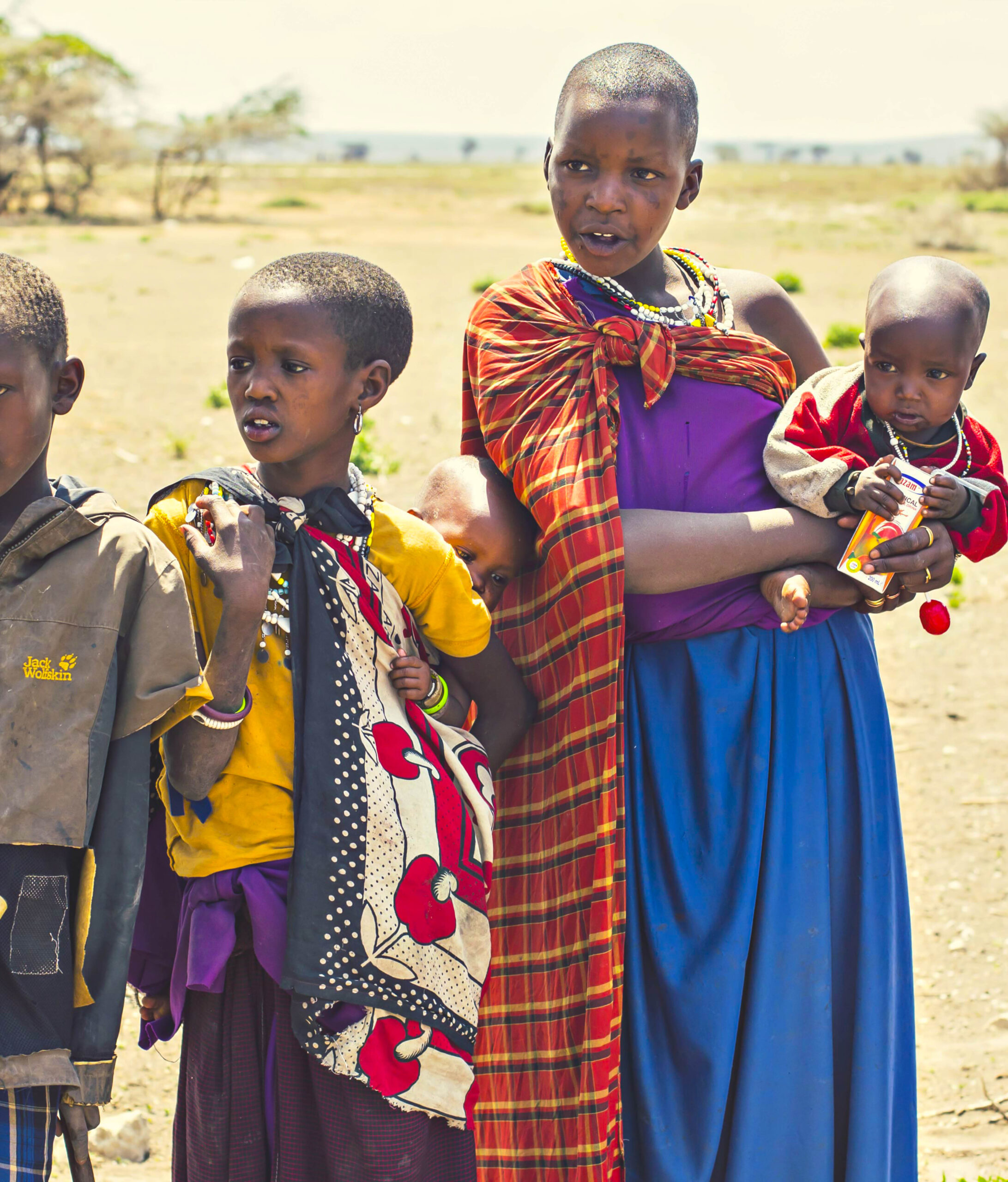
The Spring is a passionate and determined group of monthly givers on a mission to end the water crisis in our lifetime. People like you, from more than 100 countries around the world, giving anything they can to prove how unstoppable we are when we work together.
Clean water helps keep kids in school, especially girls.
Less time collecting water means more time in class. Clean water and proper toilets at school means teenage girls don’t have to stay home for a week out of every month.
Before Natalia’s village had a clean water tap, she often didn’t have time for school. Now, she goes to school every day and she’s the President of her local Water Committee. And she’s just getting started.
said Polito
How do we tackle the water crisis?
We work with local experts and community members to find the best sustainable solution in each place where we work, whether it’s a well, a piped system, a BioSand Filter, or a system for harvesting rainwater. And with every water point we fund, our partners coordinate sanitation and hygiene training, and establish a local Water Committee to help keep water flowing for years to come.
NGO to improve livelihoods in ASAL regions
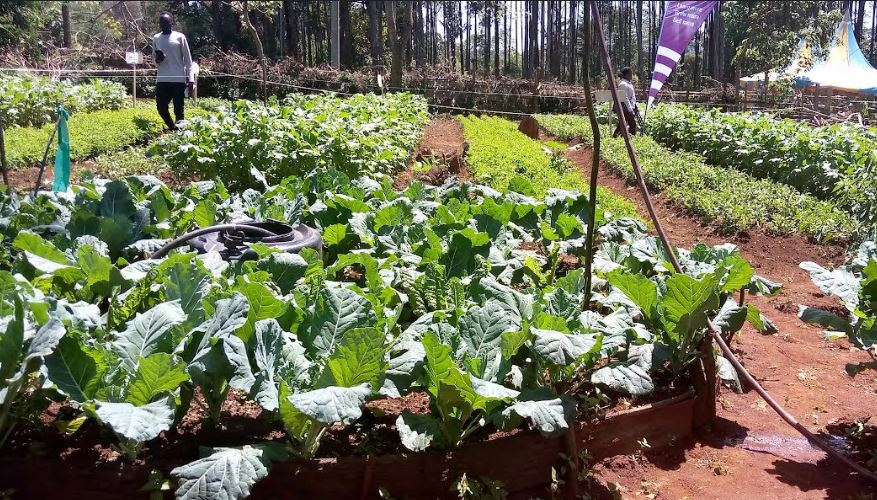
Ripple Effect, a Non-Governmental Organization (NGO), has launched a programme dubbed “Boresha Mazingira Project” in Mnagei and Kapenguria wards to promote resilience to climate change amongst the most vulnerable households within West Pokot County.
The project acts as a milestone of its own kind as it focuses on inspiring and equipping families through environmental protection, hence uplifting the same communities on tips to learn, grow, and engage in commercial agriculture.
Speaking during the launch held at Kamorrow in Mnagei ward, Programme and Partner Support Manager Alfred Juma said that Ripple Effect works on people’s resources to build their capacity to mitigate against issues that surround climate change, hunger, poverty, malnutrition, and social challenges, which mostly afflict people left out of the mainstream development programmes.
He said Ripple Effect was aimed at training, building strong social networks, and continuously supporting each other to multiply the impact.
“We work with people to ensure that we have a confident, thriving, and sustainable rural population, and our main purpose of existence is to equip families and communities to transform lives and protect their environment,” said Juma.
He stated that they hold three main key values, which included accountability, integrity, and compassion, which defined their hard work.
“We have sustainable agriculture as a pillar, which was basically demonstrated on the farm using natural resources to improve soil fertility and water retention in order to increase productivity. In our work plans, we create impact, and our pillars include sustainable agriculture as demonstrated on the farms as witnessed today,” stated Juma.
He said they worked closely with the target communities to set up micro-enterprises for local economy growth, establish structures that will support them in producing more, and create networks for reliable market access, among other services.
He added that there also existed a gender and social inclusion pillar, which basically involved people with different vulnerabilities and how they should cope with socio-economic and environmental shocks.
“We look at people who have different challenges of vulnerability, which range from hunger, poverty, malnutrition, health issues, or virtually being women who mostly fail to access some resources,” explained Juma.
He disclosed that a community assessment revealed that there existed very high malnutrition levels, hence a need for skills, knowledge, and technological advancements to support people with limited land resources to produce more food at the household level.
“We are working very closely with the County Government, Pokot Cooperative Farmers Unions, and YANG’AT targeting at least 700,000 poor people and how to lift them out of poverty by the year 2030,” he posed.
Juma said the target was that 700,000 people would have access to safe, adequate, and nutritious food, earn Sh250 daily, and save Sh500 every week for adequate mitigation against the gross effects of climate change.
Among the agricultural ventures being supported are horticulture, poultry, donkeys, beekeeping, and crop production.
Regional Level Officer Biron Wayodi said they were looking at supporting 5 million people regionally by the end of the strategic plan, which started in 2020 and ends by 2030.
“When we talk of 5 million people, we are looking forward to across the six counties of Baringo, Isiolo, Marsabit, Samburu, and Turkana; today, West Pokot is one of the areas that Kenya has identified to start working with,” said Wayodi.
He noted that the launch was a big milestone for the Ripple Effect organisation because they were getting to another region where they wanted to prove that the interventions of trying to promote the communities were actually working.
He emphasised that they were not shifting the focus of the community activities but were majoring in diversification by enabling the communities to diversify their sources of income in order to support their daily economic activities.
On his part, Deputy County Commissioner Wycliffe Munanda noted that in the short time that the Ripple Effect organisation has been in the region, their fruits have been witnessed on matters of climate change.
He said there was need for the project to be escalated to the remote areas across the county, especially those that experienced extreme hunger and drought.
“The project brings benefits as it elevates the community’s economic wellbeing. Therefore, there is a need for the Agricultural Extension Officers from the Ministry of Agriculture at the lower levels to be fully integrated into the programme,” advised the DCC.
Peter Ritonyang, the chairman of one of the beneficiary groups, said the organisation has empowered the community a great deal through training and equipment provision, resulting in improved livelihoods.
Another beneficiary Esther Karuno exuded confidence that the various farming ventures being practiced were environmentally sustainable and soon drought would be a thing of the past, hence enhanced food security.
By Richard Muhambe and Agneta Chebet